Buy or rent medical-grade oxygen cylinders for home use. We stock mini, Linde, Islam, and China cylinders — with 24/7 delivery across Dhaka and nationwide.
🛒
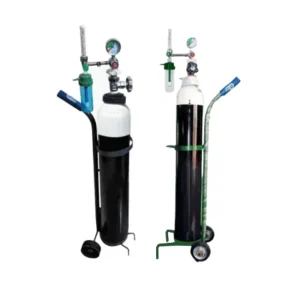
Full set with regulator & trolley
🔄
From ৳ 2000 / 7 days
⛽
Dhaka same-day from ৳ 800
Showing all 5 products
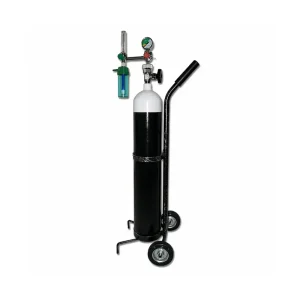 Portable
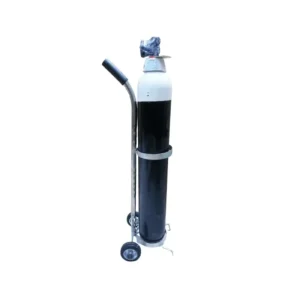 Portable
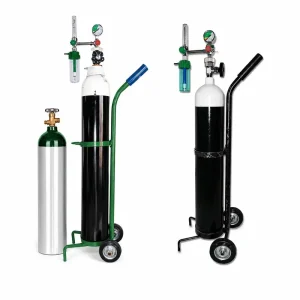 Refill
 Rent
Rent
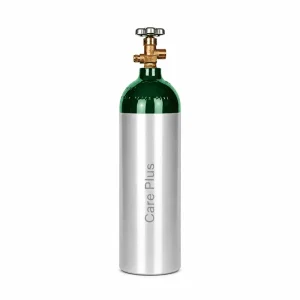
Get authentic medical oxygen cylinders in Bangladesh at the guaranteed best prices from Care Plus. We offer medical-grade Linde, Islam, and China cylinders with complete accessories (regulator, trolley, and cannula). With 24/7 emergency 2-hour home delivery in Dhaka and doorstep delivery across all 64 districts, buying, renting, or refilling your oxygen cylinder has never been easier.
An oxygen cylinder is a pressurized tank storing medical-grade oxygen. It delivers supplemental oxygen through a regulator and tubing. Cylinders are portable, refillable, and don’t need electricity.
They’re used in hospitals, homes, ambulances, and during patient transport. A regulator reduces high internal pressure to a safe flow. This makes oxygen available instantly, without warm-up time.
Cylinders remain essential backup even where concentrators are available. Their reliability during power outages makes them a trusted therapy option. Proper handling and storage keep them safe for daily use.
Oxygen cylinders are broadly grouped into two main categories. These are medical-grade cylinders and industrial-grade cylinders. Only medical-grade cylinders meet pharmaceutical purity standards for patient use.
Never substitute industrial oxygen for medical treatment purposes. Industrial tanks lack the required purity and safety testing. Always confirm “medical grade” labeling before purchasing any cylinder.
No, medical oxygen tanks aren’t exactly 100% pure oxygen. They contain 99% or higher oxygen by regulatory standard. Trace impurities remain within strict, regulated safety limits.
This purity level meets pharmaceutical USP oxygen standards. It’s significantly purer than the 21% oxygen in room air. This concentration is what makes therapy effective for patients.
Industrial oxygen may have a different purity and impurity profile. It’s not certified safe for direct patient breathing use. Always choose cylinders specifically labeled for medical use.
An oxygen cylinder stores compressed oxygen gas under high pressure. A regulator controls how much oxygen is released. The gas travels through tubing to the patient’s nose or mouth.
The user simply breathes normally to receive oxygen. No electricity or batteries are needed for operation. This mechanical simplicity makes it dependable during emergencies.
Oxygen cylinders are defined by capacity, pressure, material, and purity. These specifications determine how long a cylinder lasts. Understanding them helps buyers choose the right cylinder.
Specifications:
Features:
Oxygen cylinders deliver supplemental oxygen to patients with low saturation. They’re used during hospital treatment, home therapy, and emergencies. Ambulances rely on them for patient transport.
They support chronic conditions like COPD and heart failure. Surgical recovery and severe respiratory infections often require them too. Portable models allow use during travel and daily activities.
Backup cylinders provide security during power outages at home. They’re also used in clinics for minor procedures. Their reliability makes them a staple across healthcare settings.
Patients with confirmed low blood oxygen typically need a cylinder. Doctors identify this need through pulse oximetry and blood tests. It’s common across several chronic and acute conditions.
Caregivers often keep a backup cylinder for emergencies. Anyone prescribed supplemental oxygen by a doctor qualifies. Always confirm actual need through proper medical evaluation.
Oxygen content depends entirely on cylinder size and pressure. A small M6 cylinder holds around 164 liters. A larger home-use cylinder holds roughly 1,360 liters.
Hospital stationary cylinders can hold several thousand liters. Filling pressure combined with internal volume determines total content. Higher pressure packs more oxygen into the same size tank.
Always check the manufacturer’s rated capacity before buying. This number directly affects how long the cylinder lasts. Matching capacity to your flow rate ensures adequate supply.
A medium-sized cylinder, around 1,360 liters, suits most home users. It balances reasonable size with several hours of backup supply. This size is common for daily therapy needs.
Patients with higher flow rates may prefer larger stationary tanks. Those needing mobility might choose a smaller portable option instead. The right choice depends on prescribed flow rate.
Consider available storage space and how often refills are convenient. A doctor or supplier can recommend the ideal size. Always balance duration, portability, and daily lifestyle needs.
Type A and Type B cylinders differ mainly in size and use. Type A cylinders are typically larger, stationary, hospital-grade tanks. Type B cylinders are smaller, more portable options.
Type A suits continuous, high-volume oxygen needs in clinical settings. Type B suits home therapy, transport, and personal daily use. Capacity and weight vary significantly between the two.
Exact specifications can vary between manufacturers and local suppliers. Always confirm exact capacity and dimensions before purchasing either type. Your supplier can match the correct type to your needs.
M6 and M9 are small, portable aluminum oxygen cylinders. The M6 holds approximately 164 liters of oxygen. The M9 holds approximately 240 liters, slightly more.
M9 cylinders are longer and heavier than M6 cylinders. M6 measures about 11.6 inches; M9 about 15 inches. This gives M9 a longer runtime at the same flow rate.
M6 suits short outings needing minimal weight and bulk. M9 suits slightly longer trips needing extra oxygen duration. Both are popular choices for active, mobile patients.
Step 1: Locate the pressure gauge near the cylinder valve.
Step 2: Read the needle position against the gauge scale.
Step 3: Compare the reading to the cylinder’s full-pressure rating.
Step 4: Calculate remaining time using your prescribed flow rate.
Step 5: Plan a refill before the gauge nears empty.
Check the gauge regularly, especially before outings or travel. A steadily dropping gauge confirms normal, expected oxygen use. A sudden drop may signal a leak needing attention.
Never rely on sound or weight alone to estimate contents. Digital gauges offer more precise readings than analog dials. Keep a spare cylinder ready as levels approach empty.
A 1,360-liter oxygen cylinder at 2 LPM lasts about 11 hours. Higher flow rates deplete the cylinder faster.
A small M6 cylinder lasts roughly 1 to 2 hours. Larger stationary hospital cylinders can last significantly longer. Always calculate duration using your specific flow rate setting.
Cold temperatures and altitude can slightly affect actual duration. Check the pressure gauge regularly rather than relying on estimates alone. Keep a backup tank for unexpected extended use.
Yes, patients can safely sleep while using an oxygen cylinder. Nocturnal oxygen therapy is common for certain chronic conditions. The cylinder should sit securely beside the bed.
Ensure tubing has enough length for comfortable, unrestricted movement. Keep the cylinder upright and away from bedding or heat. Check pressure levels before sleep to avoid running out.
Some patients need lower flow rates during sleep than daytime. Always follow your doctor’s specific nighttime flow rate prescription. A working smoke detector adds important extra safety.
Several accessories make oxygen cylinder use safer and easier. These support delivery, monitoring, and daily handling of the tank.
A pulse oximeter helps monitor therapy effectiveness at home. Spare tubing and connectors prevent interrupted treatment. Always check accessory compatibility with your specific cylinder valve type.
Step 1: Confirm your prescribed flow rate with your doctor.
Step 2: Decide between portable and stationary cylinder types.
Step 3: Calculate needed capacity based on daily usage hours.
Step 4: Check cylinder material for weight and durability needs.
Step 5: Compare pricing, refill access, and supplier reliability.
Consider how often you’ll travel versus stay at home. Storage space also affects whether a large tank is practical. Portability and duration often trade off against each other.
A trusted supplier can help match cylinder size to your lifestyle. Always confirm medical-grade certification before finalizing your purchase decision. The right size balances comfort, cost, and convenience.
Oxygen safety rules exist because oxygen is a powerful oxidiser (a substance that dramatically accelerates combustion in nearby materials), making it hazardous near heat sources, flames, and flammable materials if mishandled.
Core safety rules:
Several avoidable mistakes put patients and homes at risk. Awareness of these errors significantly improves everyday safety.
Skipping regular equipment maintenance also increases risk over time. Correcting these habits early prevents most oxygen-related accidents. When in doubt, consult your supplier or doctor.
Step 1: Check the label or engraving near the cylinder neck.
Step 2: Note the size code, like B, M6, or M9.
Step 3: Measure cylinder height and diameter if unlabeled.
Step 4: Compare measurements to standard size charts.
Step 5: Confirm water capacity with your supplier if unsure.
Size codes directly relate to gas capacity and weight. Larger codes generally mean longer oxygen duration per fill. Manufacturers may vary slightly in exact sizing.
Always confirm size before ordering replacement parts or accessories. Mismatched regulators or masks may not fit correctly. Your supplier can verify exact specifications on request.
You can buy an oxygen cylinder from Care Plus in Dhaka, Bangladesh. They offer verified, quality-checked medical oxygen equipment nationwide. Their range covers portable and home-therapy sizes.
Buying from a trusted, licensed supplier ensures genuine oxygen purity. Avoid unverified sellers offering unusually low, suspicious prices. Confirm certification and testing before any purchase.
Care Plus provides guidance on choosing the right cylinder size. Delivery and setup support are available across major cities. A specialist retailer reduces the risk of low-quality tanks.
| Product | Type | Size | Price (৳) | Status |
|---|---|---|---|---|
| Mini Oxygen Cylinder | Aluminium – Portable | Size C (small) | ৳ 10,500 | ✅ In Stock |
| Linde (BOC) Cylinder | Steel – Full Set | Medium and Standard | ৳ 12,000 | ✅ In Stock |
| Islam Oxygen Cylinder | Steel – Full Set | Medium and Standard | ৳ 10,000 | ✅ In Stock |
| China Oxygen Cylinder | Steel – Full Set | Medium and Standard | ৳ 7,500 | ✅ In Stock |
| Oxygen Cylinder Rent | 7 Days Rental | Medium and Standard | ৳ 2,000 | ✅ Available |
| Oxygen Cylinder Refill | Refill Service | All sizes | ৳ 800 | ✅ 24/7 |
Oxygen cylinder rental in Dhaka typically ranges from Tk 2,000 to Tk 4,5000. Cost depends on cylinder size and rental duration. Monthly plans usually offer better value than daily rates.
Deposits are often required and refunded upon safe return. Delivery and pickup fees may apply depending on location. Compare a few providers for transparent, fair pricing.
Renting suits short-term or uncertain-duration recovery needs well. Long-term patients may find buying more cost-effective eventually. Discuss your expected duration with the rental provider first.
Oxygen cylinder refills in Dhaka typically cost around Tk 800 to 1000. Price depends on cylinder size and current market rates. Larger cylinders naturally cost more to refill.
Some suppliers offer discounted rates for regular, repeat customers. Home pickup and delivery for refills may add extra cost. Always confirm current pricing directly with your supplier.
Refilling is generally cheaper than buying a brand-new cylinder. Keep a refill schedule to avoid running out unexpectedly. Compare a few local suppliers for the best value.
An oxygen concentrator is the main alternative to a cylinder. It extracts oxygen from room air instead of storing gas. This means it never runs empty when powered.
Liquid oxygen systems offer another alternative for high-flow needs. They store more oxygen in less space than gas cylinders. However, they require specialized handling and refill logistics.
Choice depends on mobility needs, power access, and flow rate. Cylinders suit emergencies and power outages better than concentrators. Discuss which alternative fits your situation with your doctor.
We offer high-quality medical oxygen cylinders at cost-effective prices. When you are seeking the most affordable price for an oxygen cylinder set in BD, our prices are unbeatable. You get the best deals with features such as seamless aluminum construction, high-pressure safety certification, and long-lasting performance.
And frequently we refresh the offers on:
This makes Care Plus the most trusted location to shop for emergency respiratory equipment in Bangladesh.
Care Plus has thousands of customers in Bangladesh who depend on us to get medical necessities such as oxygen cylinders, flow regulators, trolleys, oxygen concentrators, and nasal cannulas. We bring convenience, quality, and affordability.
It has never been easier to locate an ideal oxygen cylinder set, travel cylinder, or continuous concentrator. Care Plus has the finest collection, brands that are certified, and the best prices, making us a complete one-stop solution.
Whether you require a complete oxygen cylinder package, want to compare the price of a Linde cylinder, or want to check the latest refill cost in BD, we have created a clear category where you can make your choice fast and place your order without any doubts.
Buy now and enjoy:
Everything you need to know about oxygen cylinders in Bangladesh
24/7 delivery across Dhaka. Call us for emergency oxygen supply, rental, or refill service.