Buy or rent high-quality hospital beds for home care. We offer manual, semi-electric, and electric hospital beds with fast delivery across Dhaka and nationwide support.
🛒
Full set
Showing all 2 products
📚 Buyer’s Guide
A hospital bed is a specialised medical-grade patient care bed (a clinically designed adjustable sleeping and resting platform) built for ill, injured, disabled, or post-surgical patients requiring repositioning, medical access, and prolonged care.
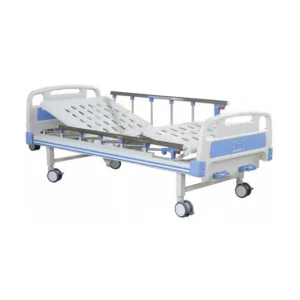
Unlike a standard domestic flat bed, a hospital bed features adjustable sections, safety side rails (fall-prevention lateral barriers), castor wheels (rolling mobility base), and a durable powder-coated steel frame engineered for continuous clinical use.
Hospital beds are available across a gradable range: basic manual single-function beds, dual-function and multi-function manual crank beds, semi-electric beds (partial motor-assisted adjustment), and fully electric beds (complete motorised positioning). Each category serves different patient care complexity levels.
A manual hospital bed is a crank-operated patient care bed adjusted by hand, requiring no electricity. Backrest, leg section, and height are repositioned using a hand crank (manual gear-turning mechanism).
It is the most affordable and widely used hospital bed type in Bangladesh, suitable for home care, nursing homes, and small clinics where electrical infrastructure may be limited or unnecessary.
A fully electric hospital bed uses motorised actuators (electric position-adjustment motors) to raise and lower the backrest, leg section, and overall bed height at the press of a remote control button.
No manual cranking is required. Ideal for patients who reposition frequently, caregivers with limited physical strength, and clinical settings requiring precise, effortless patient positioning for pressure sore prevention and post-surgical comfort.
A semi-electric hospital bed combines electric backrest and leg adjustment (motor-powered repositioning) with manual hand-crank height adjustment (mechanical gear-operated elevation). It offers more convenience than a fully manual bed at a lower cost than a fully electric model.
It suits home care users who need frequent upper-body repositioning (for feeding, respiratory comfort, and anti-reflux positioning) but do not require electrically adjustable height, making it a cost-effective middle-ground option.
A home hospital bed is needed by patients whose medical condition, recovery process, or physical limitation makes a standard flat domestic bed clinically inadequate, unsafe, or uncomfortable for prolonged daily use.
Common users include post-surgical recovery patients, stroke survivors, paralysis patients (paraplegic and quadriplegic individuals), COPD and respiratory disease patients requiring semi-Fowler positioning (partial upright sitting for breathing comfort), and elderly individuals with pressure sore risk.
Long-term bedridden patients with chronic illness, cancer patients receiving palliative home care, patients with severe arthritis, and individuals with neurological conditions such as motor neurone disease and multiple sclerosis also routinely require adjustable home hospital beds.
A hospital bed provides adjustable positioning (the ability to raise, lower, and recline different sections of the sleeping platform) that a standard flat domestic bed cannot offer. This reduces pressure sore risk (skin breakdown from sustained localised pressure) and improves patient comfort.
Safety side rails (fold-down lateral fall-prevention barriers) protect confused, sedated, or weakened patients from rolling off the bed during sleep and repositioning. Removable ABS headboards and footboards (detachable rigid end panels) allow safe horizontal patient transfers from stretchers and wheelchairs.
Castor wheels (rolling mobility base with locking brakes) allow caregivers to reposition the bed between rooms, near bathroom access, or against a wall without patient transfers. An adjustable IV pole (height-variable intravenous drip stand) supports medication administration during home care.
Hospital beds are available in four main categories based on their adjustment mechanism. Manual single-function beds adjust only the backrest using a hand crank. Manual two-function beds adjust both the backrest and leg section independently.
Manual three-function beds (full manual crank beds) adjust the backrest, leg section, and overall bed height. Semi-electric beds use motors for backrest and leg adjustment with manual height cranking. Fully electric beds adjust all three sections via remote control.
Specialised variants include ICU beds (intensive care unit beds with full clinical functionality), bariatric hospital beds (heavy-duty reinforced frames for higher weight capacities), and paediatric hospital beds (child-sized clinical beds with lower height settings and scaled safety features).
A hospital bed improves comfort through adjustable positioning (section-specific elevation and recline). Backrest elevation enables semi-Fowler or high-Fowler positioning (partial to full upright sitting), reducing respiratory distress, acid reflux, and feeding difficulty in bedridden patients.
Leg section elevation (lower-limb raising) improves venous circulation, reduces post-surgical oedema (leg swelling), and relieves pressure from the sacral region (lower back and buttocks area) during prolonged lying. These postural adjustments prevent the pressure sore development that flat beds accelerate.
Height adjustment (raising and lowering the entire sleeping platform) enables patients to transfer in and out of bed at a safe, accessible level, and allows caregivers to work at a comfortable standing height during wound care, washing, and repositioning tasks.
Start by identifying the patient’s primary clinical need. Post-surgical and short-term recovery patients need basic backrest and leg adjustment (a two-function manual bed). Long-term bedridden patients with complex positioning needs require a three-function or electric bed.
Consider the caregiver’s physical capability. Elderly or physically limited caregivers benefit from semi-electric or fully electric beds that eliminate cranking effort. Active caregivers in home settings often manage well with manual crank beds at lower purchase cost.
Consider the home environment: room size, doorway width, and power outlet availability. Standard hospital bed dimensions (approximately 90 cm wide by 200 cm long) fit most bedrooms. Confirm delivery, installation, and after-sales support are included with the supplier before purchasing.
Look for an epoxy powder-coated steel frame (corrosion-resistant, scratch-resistant, easy-clean structural chassis) as the foundation. Inferior painted steel frames rust and degrade in humid home environments within 2 to 3 years of regular use.
Confirm the presence of folding safety side rails (fall-prevention lateral barriers on both sides), detachable ABS headboard and footboard (removable rigid end panels enabling horizontal patient transfers), and four castor wheels with at least two locking brakes (wheel-immobilisation mechanisms).
Verify the weight capacity (maximum supported patient body weight) exceeds the patient’s actual weight with a safety margin. Confirm whether an IV pole (intravenous drip stand), foam mattress, and setup guidance are included in the purchase package.
A manual adjustable hospital bed uses a hand crank (a rotatable gear-turning lever located beneath the bed frame) to raise or lower specific sections of the sleeping platform. Turning the crank clockwise raises the section, anticlockwise lowers it.
A semi-electric bed replaces the backrest and leg cranks with electric actuators (small motorised linear drive units) controlled by a wired or wireless handset. The caregiver or patient presses a button to raise or lower each section without physical cranking effort.
A fully electric bed uses electric actuators for all three adjustment functions including height. The entire repositioning process is handled via a handheld remote control, allowing even patients with very limited physical ability to adjust their own position independently and safely.
Yes. Home hospital beds (domestic patient care beds) are specifically designed for home use. They provide clinical-grade positioning, safety, and caregiver access in standard bedroom environments without requiring hospital infrastructure or specialised installation.
A standard hospital bed measures approximately 90 cm wide by 200 cm long (sleeping platform dimensions). Overall frame width including side rails is approximately 100 to 110 cm. Confirm doorway clearance before delivery.
Standard hospital beds support 150 to 200 kg depending on frame specification. Heavy-duty bariatric hospital beds (reinforced high-capacity patient care beds) support 250 kg or above. Always choose a bed rated above the patient’s actual body weight with a safety margin.
Care Plus supplies original hospital-grade manual, semi-electric, and fully electric hospital beds at the most competitive prices in Bangladesh. Free home delivery across all Dhaka areas. Free installation, mattress included, and 24-hour after-sales support available.
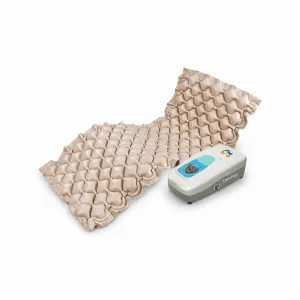
A 4-inch high-density foam mattress with a waterproof washable cover is the standard choice for home hospital beds. Anti-decubitus (pressure-relieving alternating air) mattresses are recommended for long-term bedridden patients with high pressure sore risk.
Care Plus delivers hospital beds across Dhaka within 24 hours of ordering for standard requests. Same-day emergency delivery is available for urgent post-discharge home care setups. Call 01301 400 800 to confirm availability and timing.
Hospital bed prices in Bangladesh range from BDT 22,500 for a basic two-function manual crank bed (backrest and leg adjustment) with mattress included, up to BDT 60,000 or above for fully electric multi-function hospital beds with remote control positioning.
Semi-electric hospital beds (motor-assisted backrest and leg adjustment with manual height cranking) typically range from BDT 35,000 to BDT 50,000 depending on brand and specifications. All prices at Care Plus include a 4-inch foam mattress and free home delivery.
Care Plus offers the most competitive hospital bed prices in Bangladesh across all categories. Call or WhatsApp 01675305077 for a current price list, model availability, and same-day delivery confirmation.
For a manual hospital bed, locate the hand crank (rotatable gear lever) beneath the bed frame at the head end for backrest adjustment and at the foot end for leg section adjustment. Turn clockwise to raise, anticlockwise to lower.For a semi-electric bed, press the backrest or leg section button on the wired handset to raise or lower motorised sections.
Use the manual crank only for height adjustment. Always lock the castor wheels (wheel-immobilisation brakes) before beginning any adjustment.Never adjust the bed while the patient is transferring in or out. Ensure all side rails are secured before raising the backrest to an elevated angle. Return the bed to its lowest height setting after each adjustment session for patient safety.
Clean the powder-coated steel frame (corrosion-resistant structural chassis) weekly using a damp cloth and mild disinfectant. Avoid abrasive cleaners that scratch the protective coating and expose the underlying steel to rust and corrosion over time.
Lubricate the hand crank gears and castor wheel axle bearings monthly using a light machine oil (a low-viscosity lubricant). Check brake lever tension on all castor wheels regularly and tighten any that feel loose or unresponsive during brake engagement.
Wash the mattress cover weekly in warm water. Inspect the side rail hinge mechanisms (fold-down safety barrier pivot points) and tighten any loose bolts. For electric and semi-electric beds, keep the motor handset dry and inspect the cable for fraying or damage monthly.
Everything you need to know about hospital bed in Bangladesh
24/7 delivery across Dhaka. Call us for emergency hospital bed service.