Buy or rent medical-grade oxygen concentrator for home use. We stock Owgels, Philips, Longfian with 24/7 delivery across Dhaka and nationwide.
🛒
Full set with nasal cannula & accessories
🔄
From ৳ 7000 / 7 days
Showing all 5 products
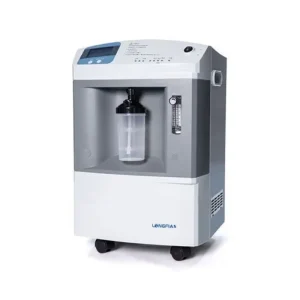
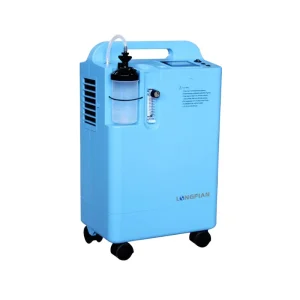
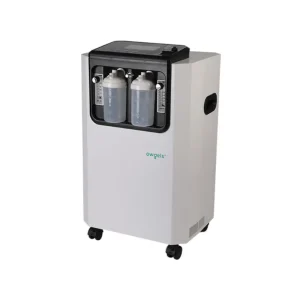
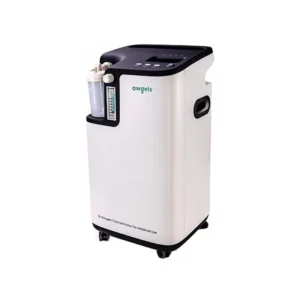
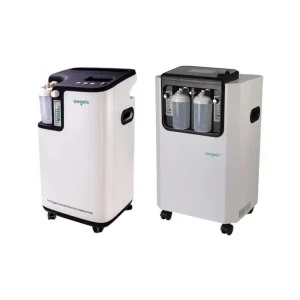 Rent
Rent
📚 Buyer’s Guide
An oxygen concentrator (oxygen generator or oxygen machine) is an electrically powered medical device. It extracts and concentrates oxygen from ambient room air. It delivers continuous medical-grade supplemental oxygen to patients. No pressurised gas cylinders or repeated refills are required.
Unlike oxygen cylinders (pressurised gas vessels that deplete and need refilling), a concentrator generates oxygen continuously. It operates around the clock from standard AC mains power. It is the preferred home oxygen therapy device for long-term chronic respiratory conditions.
Concentrators come in two main subcategories: stationary home models (larger plug-in units) and portable models. Stationary units suit fixed home use. Portable units (compact battery-powered devices) suit travel and outdoor mobility. Both deliver 93% purity medical-grade oxygen at prescribed LPM rates.
An oxygen concentrator draws ambient air (21% oxygen, 79% nitrogen) through a compressor (air-pumping motor). It passes the air through a molecular sieve (zeolite-based nitrogen-stripping filter). The sieve separates and removes nitrogen. The remaining gas reaches 93% oxygen purity (plus or minus 3%).
Two alternating sieve beds work in cycles continuously. One bed absorbs nitrogen while the other regenerates simultaneously. This dual-sieve system ensures uninterrupted oxygen output 24 hours daily. The concentrated oxygen passes through a flowmeter (output rate controller) to the patient.
From the flowmeter, oxygen travels through a humidifier bottle (airway moisture system). It then reaches the patient via a nasal cannula (two-prong inhalation tube). Alternatively, an oxygen face mask (full-cover inhalation interface) delivers higher flow rates. A pressure gauge monitors output stability throughout the therapy session.
No. An oxygen concentrator (oxygen generator or oxygen machine) delivers oxygen at 93% purity (plus or minus 3%), not 100%. This is because the molecular sieve (zeolite-based nitrogen-stripping filter) cannot remove every nitrogen molecule from ambient air completely.
93% pharmaceutical-grade purity is clinically sufficient for all home oxygen therapy applications. It effectively treats COPD, hypoxia, pulmonary fibrosis, and post-surgical recovery without requiring 100% concentration. 100% pure oxygen is neither achievable by concentrators nor clinically necessary for standard supplemental therapy.
Any patient whose SpO2 (blood oxygen saturation) consistently falls below 95% needs monitoring. Patients falling below 93% at rest, during activity, or during sleep need supplemental oxygen therapy. A pulse oximeter (finger-clip SpO2 monitor) confirms whether a concentrator is clinically required.
Common user groups include COPD patients (chronic obstructive pulmonary disease sufferers). Pulmonary fibrosis patients, chronic asthma sufferers, and post-COVID lung recovery patients also need concentrators. Elderly individuals with hypoxia (abnormally low blood oxygen saturation) require regular home supplemental oxygen.
Post-surgical recovery patients, chronic heart failure patients with pulmonary oedema (fluid in lungs), and stroke survivors also need concentrators. Sleep apnoea patients with nocturnal hypoxia (overnight oxygen desaturation) benefit from overnight concentrator therapy. Palliative care patients requiring breathing comfort also use concentrators regularly at home.
Unlike oxygen cylinders, concentrators generate oxygen continuously from ambient room air. No refill logistics, recurring gas costs, or cylinder exchange appointments are needed. This makes concentrators significantly more cost-effective for long-term daily chronic respiratory therapy.
A built-in nebulizer function (aerosol drug-delivery atomizer) in many models enables simultaneous inhaled medication alongside oxygen. This removes the need for a separate standalone nebulizer device. Premium models operate at 43 dB or below, near library-level noise output for overnight therapy.
SpO2 pulse oximeter compatibility allows real-time blood oxygen monitoring during therapy. AB-level intelligent alarm systems (dual-grade audio-visual safety alerts) warn of low oxygen or power failure. Consistent 93% purity pharmaceutical-grade oxygen output supports safe, reliable long-term supplemental respiratory care.
Start with your physician’s prescribed flow rate (LPM requirement) as the primary selection criterion. Mild to moderate COPD typically requires 1 to 5 LPM. Severe bilateral pulmonary disease may require 6 to 10 LPM high-capacity models.
Consider noise level for bedroom placement. Models operating at 43 dB or below suit overnight nocturnal oxygen therapy without disturbing sleep. Confirm built-in nebulizer availability and SpO2 pulse oximeter compatibility for comprehensive home monitoring.
Compare certified brands including Owgels, Longfian, Yuwell, and Philips EverFlo for warranty coverage. EU or CE certification confirms pharmaceutical-grade output standards and clinical safety compliance. Purchase from a trusted supplier like Care Plus with after-sales technical support included.
Your prescribed flow rate (LPM, litres per minute) depends entirely on your physician’s clinical assessment. It is based on your SpO2 level and underlying respiratory condition severity. Never self-determine flow rate without formal medical guidance and prescription.
Mild hypoxia and early-stage COPD often require 1 to 2 LPM supplemental therapy. Moderate respiratory conditions typically need 3 to 5 LPM flow. A standard 5 LPM concentrator suits most home oxygen therapy users adequately.
Severe COPD, bilateral pulmonary disease (conditions affecting both lungs), and high-dependency cases require 6 to 10 LPM. A 10 LPM high-capacity concentrator suits these advanced clinical needs. Dual-flow 10 LPM models simultaneously supply two patients from one device.
Continuous flow delivers a constant, uninterrupted stream of oxygen at the prescribed LPM rate throughout both inhalation and exhalation phases, ensuring consistent oxygen delivery regardless of the patient’s breathing pattern or rate.
Pulse flow (demand flow or bolus delivery) releases oxygen only during the inhalation phase, triggered by the patient’s breath detection sensor. Pulse flow is more energy-efficient and extends battery life in portable concentrators, but is less reliable for patients with irregular, shallow, or very slow breathing patterns.
Yes. Home oxygen concentrators are specifically designed for domestic use. They require only a standard AC power outlet and a well-ventilated room. No medical gas infrastructure or cylinder storage space is needed for safe home operation.
Stationary home concentrators (larger plug-in units) deliver continuous oxygen therapy from a fixed indoor location. They run indefinitely while connected to AC mains power. Free-standing wheeled designs allow room-to-room repositioning without disconnecting from therapy.
Yes. A stationary oxygen concentrator (plug-in continuous-flow oxygen generator) requires uninterrupted AC mains electrical power to operate. Power outages, load-shedding, and electrical failures immediately stop oxygen production, creating dangerous supply interruptions for dependent patients.
Patients in Bangladesh, where load-shedding is common, should maintain an IPS (Instant Power Supply) or UPS (Uninterruptible Power Supply) backup system alongside their concentrator. A compressed oxygen cylinder (pressurised gas vessel) should also be kept as an emergency backup for power-failure situations.
An alarm (audio-visual safety alert) signals a specific condition requiring immediate attention. Common triggers include low oxygen concentration, power failure, abnormal pressure, or a clogged air filter. Check the alarm type displayed on the LCD screen first before troubleshooting.
A low oxygen concentration alarm means the molecular sieve is underperforming. This is often caused by a blocked external air intake filter restricting airflow. Clean or replace the air intake filter as the first troubleshooting step.
A power failure alarm indicates electrical disconnection or a mains supply interruption. Check the power cable connection and AC outlet immediately. If the alarm persists after basic troubleshooting, contact Care Plus support.
Place the concentrator in a well-ventilated room at least 30 cm from walls. Never cover or enclose the unit. Keep it away from open flames, cigarettes, and gas stoves, as concentrated oxygen is a powerful oxidiser (combustion accelerator).
Never block the air intake filter (dust-blocking inlet screen). Clean the filter weekly to maintain compressor airflow efficiency. Never use extension cords with damaged insulation. Always use a stable, grounded AC power outlet to prevent electrical hazards during continuous operation.
Clean the external air intake filter (dust-blocking inlet screen) weekly using mild soap and water. A clogged filter restricts compressor airflow and reduces oxygen output efficiency significantly over time. Allow the filter to dry completely before reinserting into the housing.
Place the concentrator at least 30 cm from walls in a well-ventilated room. Poor ventilation causes the compressor (air-pumping motor) to overheat. Overheating reduces molecular sieve performance and oxygen purity output over extended operating periods.
Refill and clean the humidifier bottle (airway moisture system) every few days. Replace the humidifier bottle entirely every 2 to 3 months. Schedule professional annual servicing to inspect the molecular sieve and compressor for wear.
Yes. Oxygen concentrators are widely prescribed for elderly patients managing COPD, hypoxia, and age-related reduced lung capacity. They are non-invasive, require no pressurised cylinders, and operate safely in standard home bedrooms.
Yes. Sleeping with an oxygen concentrator is not only safe but often clinically essential. Nocturnal oxygen therapy (overnight supplemental oxygen) is prescribed for patients with nocturnal hypoxia (sleep-related blood oxygen desaturation) and sleep apnoea with hypoxaemia.
A nasal cannula (two-prong soft inhalation tube) is the preferred overnight delivery interface. It is comfortable, non-restrictive, and stays in position during natural sleep movement. Premium concentrators operating at 43 dB or below cause minimal sleep disturbance for patients and household members.
Yes, when used as prescribed. An oxygen concentrator delivers supplemental oxygen that directly supports compromised lung function in COPD, pulmonary fibrosis, and hypoxia patients whose lungs cannot maintain adequate blood oxygen saturation independently.
Supplemental oxygen therapy (additional breathable oxygen above the 21% naturally present in ambient air) reduces respiratory muscle workload, improves exercise tolerance, reduces pulmonary hypertension (elevated blood pressure in lung arteries), and improves quality of life for chronic respiratory disease patients. It is beneficial when clinically prescribed, not harmful.
Yes, under strict paediatric medical supervision only. Children require carefully calibrated lower flow rates (LPM settings) prescribed by a paediatric respiratory specialist. Adult-prescribed settings and flow rates differ significantly from paediatric dosing requirements and must not be applied to children.
Yes. Portable oxygen concentrators (POCs, compact battery-powered oxygen generation devices) are designed for travel use. Unlike stationary home models requiring continuous AC power, portable units run on rechargeable batteries. They suit ambulance transport, hospital visits, and daily outdoor mobility for active oxygen therapy users.
Portable concentrators are significantly smaller and lighter than stationary units. Most weigh between 1 and 3 kg, fitting into a carry bag or shoulder case. Battery duration typically ranges from 2 to 8 hours per charge depending on flow rate setting.
Confirm your portable concentrator is FAA-approved (aviation-certified) before airline travel. Carry your physician’s oxygen prescription letter and airline medical clearance documentation. Contact your airline at least 48 hours before departure to confirm onboard oxygen device policy.
Most major airlines permit FAA-approved portable oxygen concentrators (aviation-certified POCs) onboard domestic and international flights. However, airline-specific policies regarding battery capacity, spare battery quantity, and medical documentation vary significantly between carriers.
Always confirm your specific POC model’s FAA approval status before booking your flight. Carry a physician’s prescription letter confirming your supplemental oxygen therapy requirement. Submit an airline medical clearance request at least 48 to 72 hours before your departure time.
Oxygen cylinders (pressurised compressed gas vessels) are strictly prohibited onboard commercial aircraft as dangerous goods. Only battery-powered portable concentrators (non-pressurised oxygen generation devices) are permitted onboard. Never attempt to carry a pressurised oxygen cylinder onto any commercial passenger aircraft.
A complete concentrator package includes a humidifier bottle (airway moisture system preventing nasal dryness). A nasal cannula (two-prong inhalation delivery tube) and oxygen face mask (full-cover inhalation interface) are also included. A power cable and user manual complete the standard accessory set.
Premium models additionally include a remote control unit (wireless operation device), built-in nebulizer (aerosol drug-delivery atomizer), and replacement air intake filters. SpO2 pulse oximeter compatibility ports and wheeled trolleys for mobility are also included in advanced models.
Oxygen concentrator prices in Bangladesh range from approximately BDT 34,500 for an original 5 LPM home model. High-capacity 10 LPM models cost BDT 62,000 or above depending on brand and specifications.
Premium certified brands including Owgels, Longfian, Yuwell, and Philips EverFlo include official warranty and CE certification. Care Plus offers all models at the most competitive prices in Bangladesh. Free home delivery and installation are included with every purchase at no additional charge.
| Product | Type | Size | Price (৳) | Status |
|---|---|---|---|---|
| Owgels OZ-5-01TW0 | 1 to 5 LPM | 1 to 5 liters per minute | 34,500 | ✅ In Stock |
| Owgels OZ-10-02TW0 | 0.5 to 10 LPM | 1 to 10 liters per minute | ৳ 62000 | ✅ In Stock |
| Longfian JAY-5BW | 0.5 to 5 LPM | 1 to 10 liters per minute | ৳ 42000 | ✅ In Stock |
| Longfian JAY-10 | 0.5 to 10 LPM | 1 to 10 liters per minute | ৳ 62000 | ✅ In Stock |
| Yuwell 7F-10W | 0.5–10 LPM | 1 to 10 liters per minute | ৳ 52000 | ✅ Available |
| Oxygen Concentrator Rent | Rental Service | All sizes | ৳ 7000 | ✅ 24/7 |
A well-maintained 10 LPM oxygen concentrator from a certified brand (Owgels, Longfian, or Yuwell) is designed for 20,000 to 50,000 operating hours of continuous use before major component servicing is required.
At 24-hour daily continuous operation, 20,000 hours represents approximately 2.3 years before servicing, while 50,000 hours represents approximately 5.7 years. Regular weekly filter cleaning, monthly compressor area maintenance, and annual professional servicing significantly extend operational lifespan and maintain consistent 93% oxygen purity output.
Renting suits short-term needs including post-surgical recovery, COPD flare-up management, and post-hospitalisation home care. These situations typically require oxygen therapy for days to weeks, not months or years of continuous use.
Buying is more cost-effective for chronic conditions requiring continuous daily oxygen therapy long-term. Advanced COPD, pulmonary fibrosis, and permanent hypoxia (low blood oxygen) are common long-term purchase scenarios. A 30-day rental at BDT 20,000 (5 LPM) versus a BDT 34,500 outright purchase illustrates this clearly.
For therapy exceeding two months, purchasing becomes more economical than ongoing monthly rental payments. Care Plus offers both purchase and flexible rental options across all Dhaka areas. Call 01675 3050 77 for personalised advice on the most suitable and cost-effective option.
Rental pricing depends on flow rate capacity and chosen rental duration period. A 5 LPM model costs BDT 7,000 for 7 days, BDT 13,000 for 15 days, and BDT 20,000 for 30 days.
A 10 LPM high-capacity model costs BDT 10,000 for 7 days, BDT 18,000 for 15 days, and BDT 30,000 for 30 days. Longer rental periods reduce the effective daily hire rate significantly.
Free delivery, free installation, and a full accessory package (humidifier bottle, nasal cannula, face mask) are included. No hidden charges apply to any Care Plus rental booking.
Care Plus offers oxygen concentrator rental across all Dhaka areas with free home delivery and installation. Both 5 LPM and 10 LPM high-capacity models are available on flexible 7-day, 15-day, and 30-day rental periods.
24-hour technical support remains available throughout your entire rental period at no additional charge. Rental extensions are available anytime before your current period expires.
Care Plus covers all Dhaka zones including Gulshan, Mirpur, Dhanmondi, Uttara, Badda, Khilgaon, and Motijheel. Emergency same-day rental delivery is available for urgent supplemental oxygen needs. Rental includes the complete accessory set with no additional equipment purchases required.
Care Plus requires a valid national ID (NID) for verification and a refundable security deposit for rental bookings but not mandatory for standard rentals. A doctor’s prescription is recommended.
Clean the external air intake filter (dust-blocking inlet screen) weekly using mild soap and water. A clogged filter reduces compressor airflow and strains the molecular sieve (nitrogen-stripping oxygen-separation core component). Allow the filter to dry fully before reinstalling into the housing unit.
Refill and clean the humidifier bottle (airway moisture system) every 2 to 3 days. Replace the humidifier bottle entirely every 2 to 3 months to prevent bacterial contamination. Keep the unit in a dust-free, well-ventilated room away from direct sunlight at all times.
Schedule professional annual servicing to inspect the molecular sieve and compressor for performance degradation. Wipe the outer housing weekly with a damp cloth and mild disinfectant solution. Contact Care Plus\ for professional technical servicing across Dhaka.
Avoid smoking or allowing open flames within 1.5 metres of the operating concentrator. Oxygen is a powerful oxidiser that dramatically accelerates combustion. Never use petroleum-based products (oils, grease, or lotions) on or near the concentrator or oxygen delivery accessories.
Avoid blocking the air intake filter or placing the unit in enclosed, unventilated spaces. Never use extension cords near the concentrator. Avoid adjusting the prescribed LPM flow rate without physician guidance, as incorrect flow settings carry serious clinical risks for certain COPD patient groups.
Check the LCD display or indicator light for the prescribed LPM flow rate consistently. Oxygen concentration output should read 93% (plus or minus 3%) at all times during operation. Any significant deviation from this purity level indicates a potential device malfunction requiring investigation.
Use a pulse oximeter (finger-clip SpO2 blood oxygen saturation monitor) during therapy sessions. Confirm that your blood oxygen level stays above 95%, the threshold indicating effective oxygen delivery. Consistent SpO2 below 93% despite correct LPM settings suggests concentrator output performance decline.
If alarms trigger frequently, oxygen output feels weak, or the device runs unusually hot, contact support. Abnormal noise levels from the compressor also indicate potential mechanical issues requiring professional inspection.
Yes, technically. A concentrator functions and delivers oxygen without a humidifier bottle (airway moisture system). However, running a concentrator without water in the humidifier at flow rates above 2 LPM causes significant nasal dryness, mucosal irritation, and nosebleeds during extended therapy.
For therapy sessions under 20 to 30 minutes or at very low flow rates (0.5 to 1 LPM), short-term use without humidification is tolerable. For all regular and extended therapy, always fill the humidifier bottle with distilled or purified water before starting each session.
Can I use boiled water in my oxygen concentrator? Yes, cooled boiled water is an acceptable alternative to distilled water (purified, mineral-free water) in the humidifier bottle when distilled water is unavailable. Boiling removes biological contaminants and reduces dissolved minerals.
However, boiled water still contains dissolved mineral salts that distilled water does not. Over time, these minerals leave scale deposits inside the humidifier bottle (airway moisture system), reducing its effectiveness. Replace the humidifier bottle every 2 to 3 months and use distilled water whenever possible for best results.
Daily usage duration depends entirely on your physician’s prescription. Some patients require only nocturnal oxygen therapy (overnight supplemental oxygen during sleep, typically 8 to 10 hours). Others require continuous 24-hour therapy due to severe chronic hypoxia.
Long-term oxygen therapy (LTOT) guidelines recommend a minimum of 15 hours daily for COPD patients with resting SpO2 below 88%, including sleep hours. Using oxygen for fewer than prescribed hours reduces therapeutic benefit and may worsen pulmonary hypertension over time.
Never stop using an oxygen concentrator without explicit physician guidance, as discontinuing therapy abruptly can cause rapid SpO2 decline, respiratory distress, and serious clinical complications in dependent patients.
A physician may reduce or discontinue oxygen therapy if repeated SpO2 assessments confirm sustained recovery of blood oxygen saturation above 95% without supplemental support, following post-COVID recovery, surgical healing, or COPD exacerbation resolution. Discontinuation decisions require formal clinical reassessment, not patient self-determination.
A 5 LPM oxygen concentrator (the most common home model) consumes approximately 300 to 330 watts per hour of continuous operation, equivalent to leaving three to four standard 100-watt light bulbs running simultaneously.
A 10 LPM high-capacity concentrator consumes approximately 600 to 880 watts per hour depending on brand and output setting. At average Bangladesh electricity rates, a 5 LPM concentrator running 24 hours daily costs approximately BDT 150 to BDT 200 per day in electricity.
For home use, the Philips EverFlo (5 LPM, ultra-low noise, 2-year warranty) and Owgels OZ-5-01TW0 (5 LPM, built-in nebulizer, EU-certified, German compressor) are among the most recommended models for reliable long-term home oxygen therapy.
Longfian JAY-5BW (5 LPM, 43 dB noise level, SpO2 support) and Yuwell 8F-5AW (5 LPM, certified purity) are strong alternatives. For higher flow needs, the Longfian JAY-10 (10 LPM, single or dual flow) and Owgels OZ-10-02TW0 (10 LPM) serve severe respiratory cases.
Yes. Care Plus offers emergency same-day oxygen concentrator delivery (urgent dispatch service) across all Dhaka areas. This service is available 24 hours a day, including nights, weekends, and public holidays. Call or WhatsApp 01675 3050 77 immediately for emergency concentrator delivery booking.
Care Plus delivers oxygen concentrators within 2 hours for emergency requests across Dhaka. Standard scheduled deliveries are completed within 24 hours of order placement. Call 01675 3050 77 confirm current availability and precise delivery timing for your area.
Care Plus offers the most competitive oxygen concentrator prices in Bangladesh across all certified brands. Owgels, Longfian, Yuwell, and Philips models are available with free delivery and installation included. Both 5 LPM and 10 LPM models are stocked for immediate same-day dispatch.
Both outright purchase and flexible short-term rental options are available to suit all budgets. Short-term rental starts from BDT 7,000 for 7 days for a 5 LPM model. Outright purchase of a certified 5 LPM model starts from approximately BDT 34,500.
Call or WhatsApp Care Plus at 01675 3050 77 for current pricing and model availability. Expert guidance on selecting the most appropriate and affordable model is provided free. Same-day delivery confirmation across all Dhaka areas is available upon order placement.
The primary alternative to an oxygen concentrator is a compressed medical oxygen cylinder (pressurised pharmaceutical-grade gas vessel) containing pre-filled oxygen at 99.5% purity, available in Islam, China, Linde, and mini portable variants.
Liquid oxygen systems (cryogenic oxygen containers storing oxygen in liquid form at minus 183 degrees Celsius) are another alternative used in high-dependency clinical settings. However, liquid oxygen systems require specialist handling equipment and are not practically available for standard home use in Bangladesh.
No. Building a DIY (do-it-yourself) oxygen concentrator at home is not safe, not clinically reliable, and not recommended under any circumstances. Medical-grade concentrators require precision-engineered molecular sieves, calibrated compressors, and certified pressure management systems.
A homemade device cannot achieve the 93% oxygen purity standard required for safe therapeutic use. Impure or incorrectly pressurised oxygen delivered to a patient carries serious health risks. Always purchase a certified CE or EU-approved concentrator from a trusted supplier.
Care Plus supplies only 100% original, certified concentrators from globally trusted brands: Owgels, Longfian, Yuwell, and Philips EverFlo. Every model carries official EU or CE certification and manufacturer warranty. No reconditioned, counterfeit, or grey-market devices are ever supplied.
Care Plus offers the most competitive oxygen concentrator prices in Bangladesh across all brands and flow rate capacities. Both outright purchase and flexible rental options (7-day, 15-day, and 30-day) are available. No hidden charges apply to any purchase, rental, or installation booking.
Care Plus delivers across all Dhaka areas within 2 hours for emergency requests. Standard scheduled deliveries are completed within 24 hours. Free home installation, accessory connection, and caregiver demonstration are included at every delivery.
A certified Care Plus technician visits your home, positions the concentrator in a ventilated room, connects the humidifier bottle, attaches the nasal cannula, sets the prescribed LPM flow rate, and demonstrates correct operation before leaving.
Care Plus provides 24-hour technical support throughout your ownership or rental period. Call 01675 305077 anytime for alarm troubleshooting, filter guidance, servicing requests, or operational questions. Our support team responds immediately to urgent concentrator issues day and night.
From the moment you call to the moment therapy begins, Care Plus manages the entire process. We assess your flow rate requirement, recommend the most appropriate model, arrange delivery, install the device, and provide ongoing support. You focus on the patient. We handle everything else.
24/7 delivery across Dhaka. Call us for emergency oxygen supply, rental, service.